ASHG 2026 Recap: From the $100 Genome to Continuous 600 bp Reads—Unlocking Deeper Genomic and Transcriptomic Insights at Lower Cost
Oct 30, 2026
The 2026 American Society of Human Genetics (ASHG) Annual Meeting brought the global genetics and genomics community together in Montréal, Canada, from October 20–24 for an exciting week of scientific discovery, innovation, and collaboration.
This year, Complete Genomics was excited to showcase how advances in sequencing technology, AI-powered analysis, and multi-omics applications are opening new possibilities for human genetics research.
From our CoLab session and Industry Workshop to expert presentations at our booth, one theme connected our activities throughout the conference: empowering researchers to generate more comprehensive genomic insights with greater accuracy, efficiency, and scalability.
Here’s a look back at some of our highlights from ASHG 2026.
Longer Reads, Greater Possibilities: Showcasing Our Latest Sequencing Innovations
A major highlight of ASHG 2026 was sharing the expanded capabilities of our CoolMPS 600 and DNBSEQ-T7+ sequencing platforms, designed to address evolving research needs, from challenging genomic regions to large-scale sequencing projects.
Our latest advancements include:
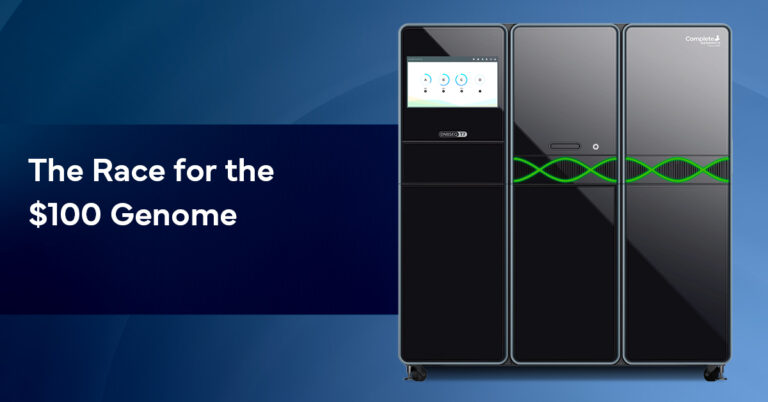
- DNBSEQ-T7+: Scaling the $100 Genome. Delivering over 14 Tb of sequencing data in 24 hours, with four independently controlled flow cells and sequencing costs as low as $100 per human genome, enabling high-throughput WGS and flexible multi-omics workflows.
- CoolMPS 600: Unlocking More with 600 bp Reads. Delivering contiguous SE600 reads to improve mapping and variant detection in complex genomic regions while enabling long-range phasing and full-length transcript analysis through emerging workflows.
- Expanding Genome and Transcriptome Applications: Advancing approaches to long-range variant phasing and full-length transcript reconstruction through Complete WGS and DNBSEQ Complete Transcriptome Set workflows.
CoLab Spotlight: Combining AI and Pangenome Analysis for More Accurate Variant Calling
One of our key scientific highlights was the CoLab presentation by Dr. Andrew Carroll, Product Lead, Genomics at Google AI, titled “Pangenome-Informed, AI-Driven Variant Calling Using Google DeepVariant on DNBSEQ-T7+ and CoolMPS 600 Sequencers.”
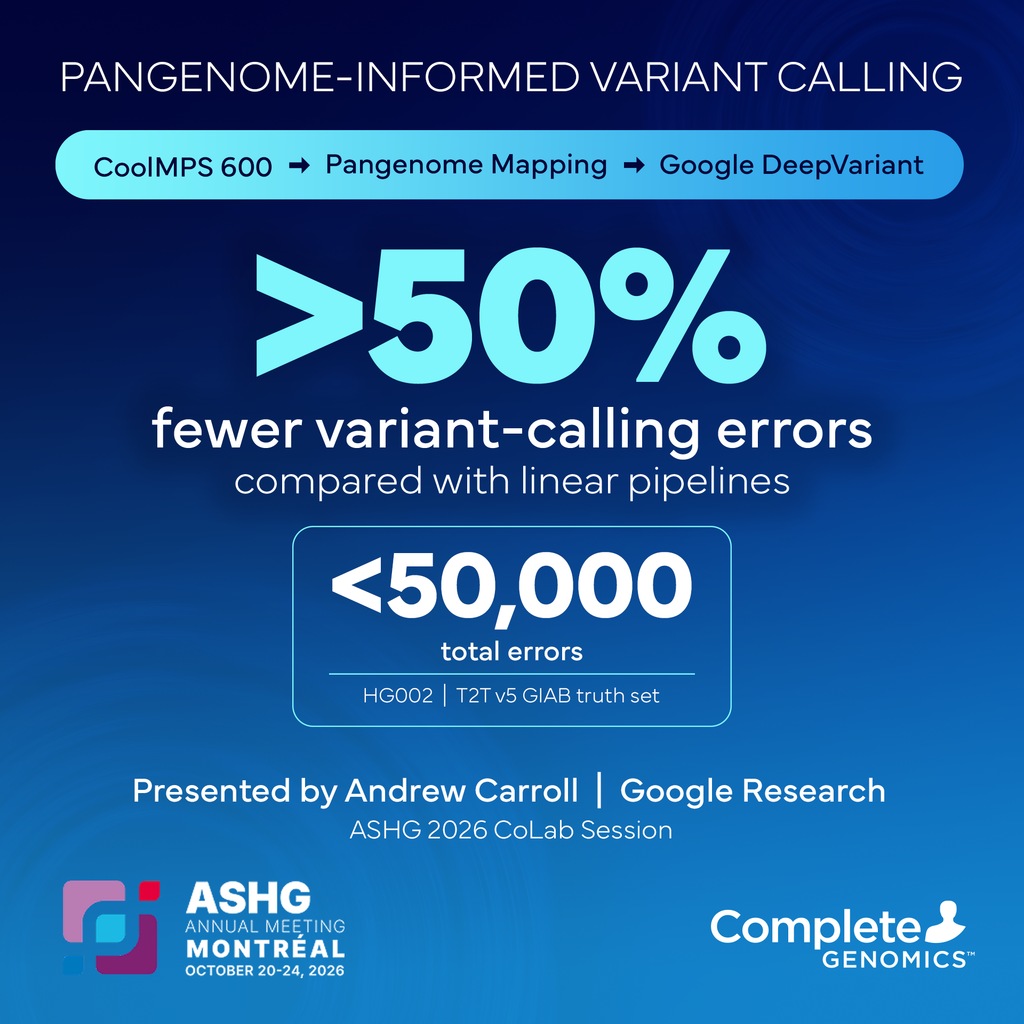
Accurately identifying genomic variants remains challenging, particularly in repetitive, homologous, and structurally complex regions of the genome. Dr. Carroll explored how combining pangenome-informed mapping with AI-driven variant calling can help overcome limitations of conventional linear-reference analysis.
Using Google DeepVariant models trained on DNBSEQ sequencing data, the approach achieved fewer than 50,000 errors against the comprehensive T2T v5 Genome in a Bottle benchmark, demonstrating substantial improvements over conventional linear-reference pipelines.
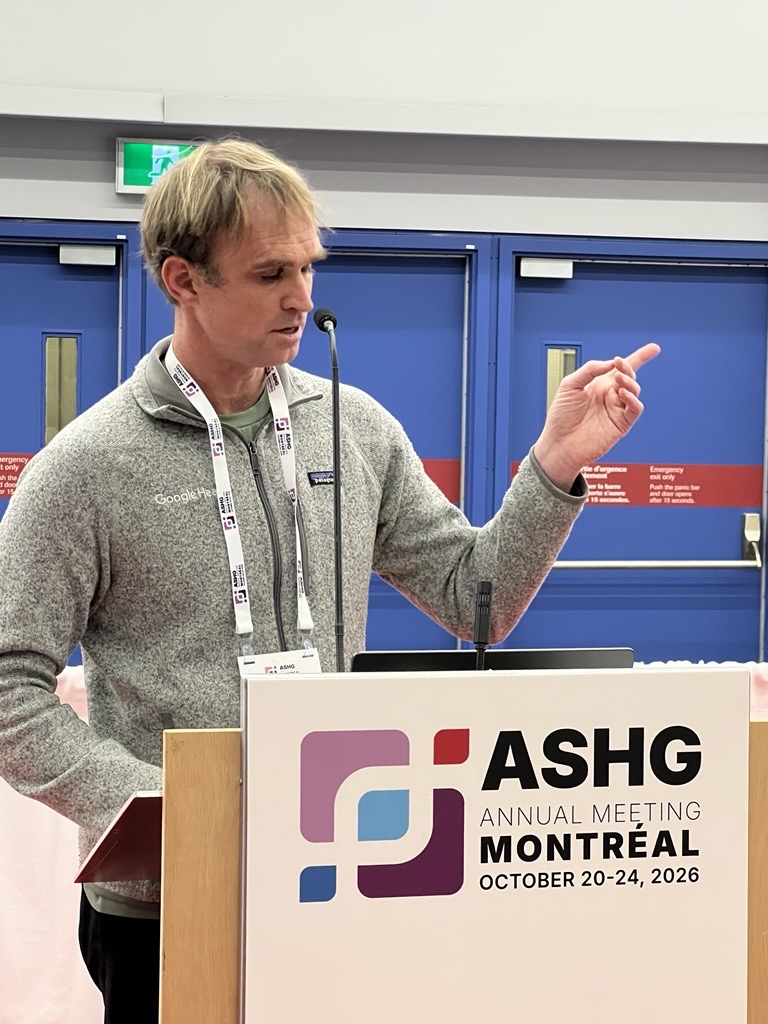
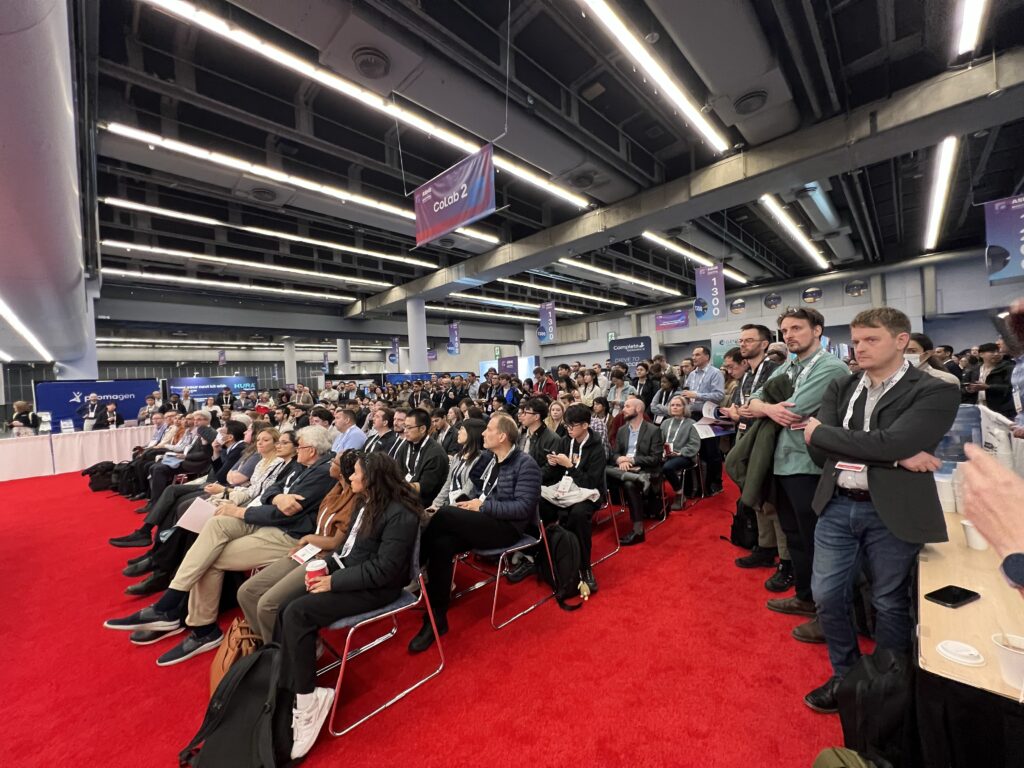
The presentation highlighted an important direction for genomics: Combining advances in sequencing chemistry with sophisticated computational methods to extract more accurate and meaningful information from genomic data.
As genomics moves toward more comprehensive, population-scale applications, these approaches offer promising opportunities to improve variant interpretation, particularly in regions that have historically been difficult to analyze.
Andrew Carroll’s presentation is available upon request (please submit your request via the Contact Us page).
Scaling Genomics with Higher Throughput and AI-Driven Variant Calling
Discover how DNBSEQ-T7+ combines high-throughput sequencing with Google DeepVariant’s pangenome-informed, AI-driven analysis to improve variant-calling accuracy, particularly in challenging genomic regions.
Andrew Carroll, Google AI, explored advances in sequencing performance, deep learning, and more comprehensive genomic analysis.
Industry Workshop: Connecting Genomic Technologies with Precision Medicine
Our Industry Workshop, “Advancing Precision Genomics: From Cancer Detection to Complete WGS and Longitudinal Multi-Omics,” brought together three distinguished researchers to explore how high-quality sequencing and integrative molecular analysis are advancing disease research and personalized medicine.
The session featured perspectives spanning cancer detection, comprehensive whole-genome sequencing, and longitudinal multi-omics profiling. Distinguished speakers included:
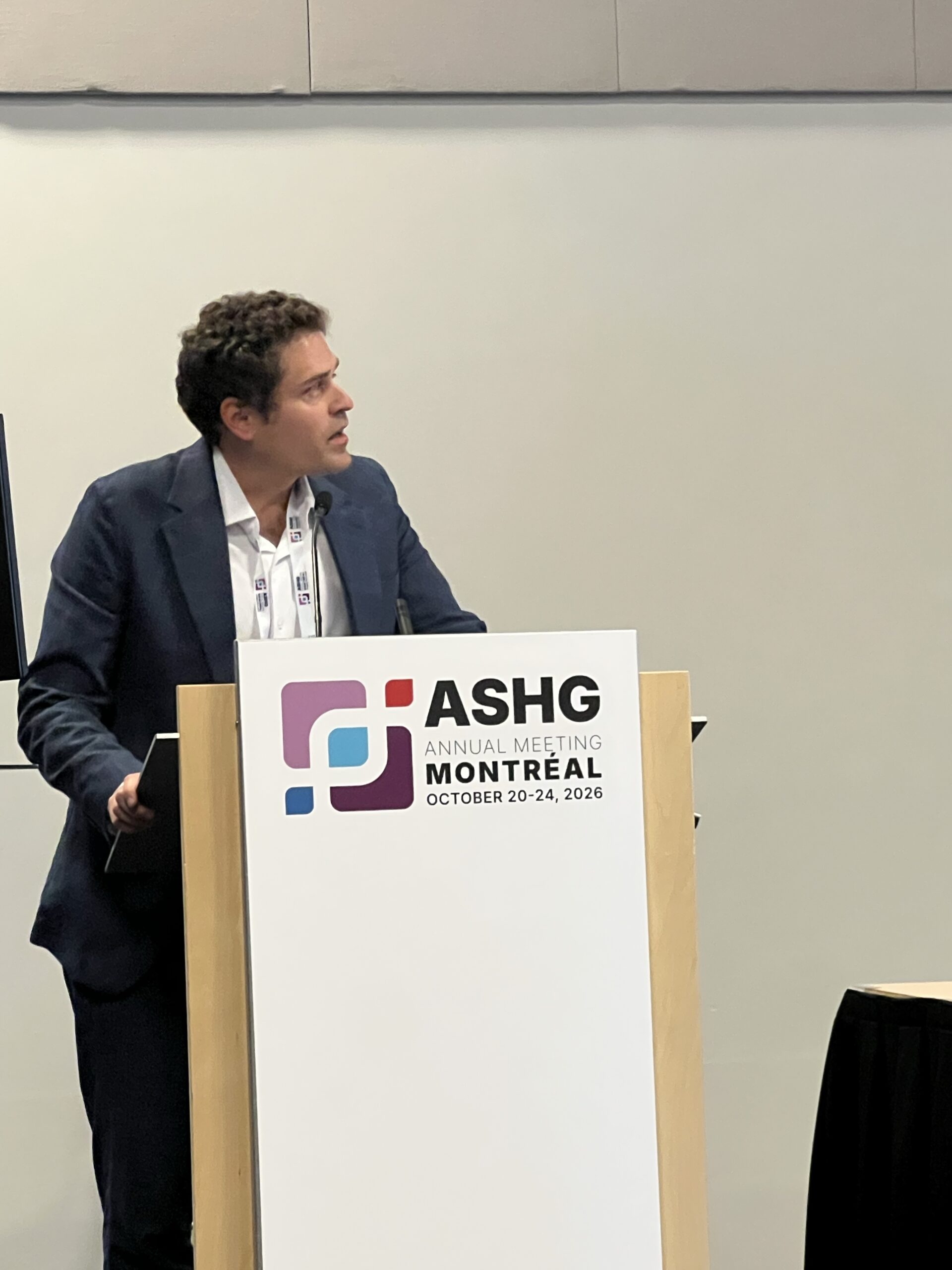
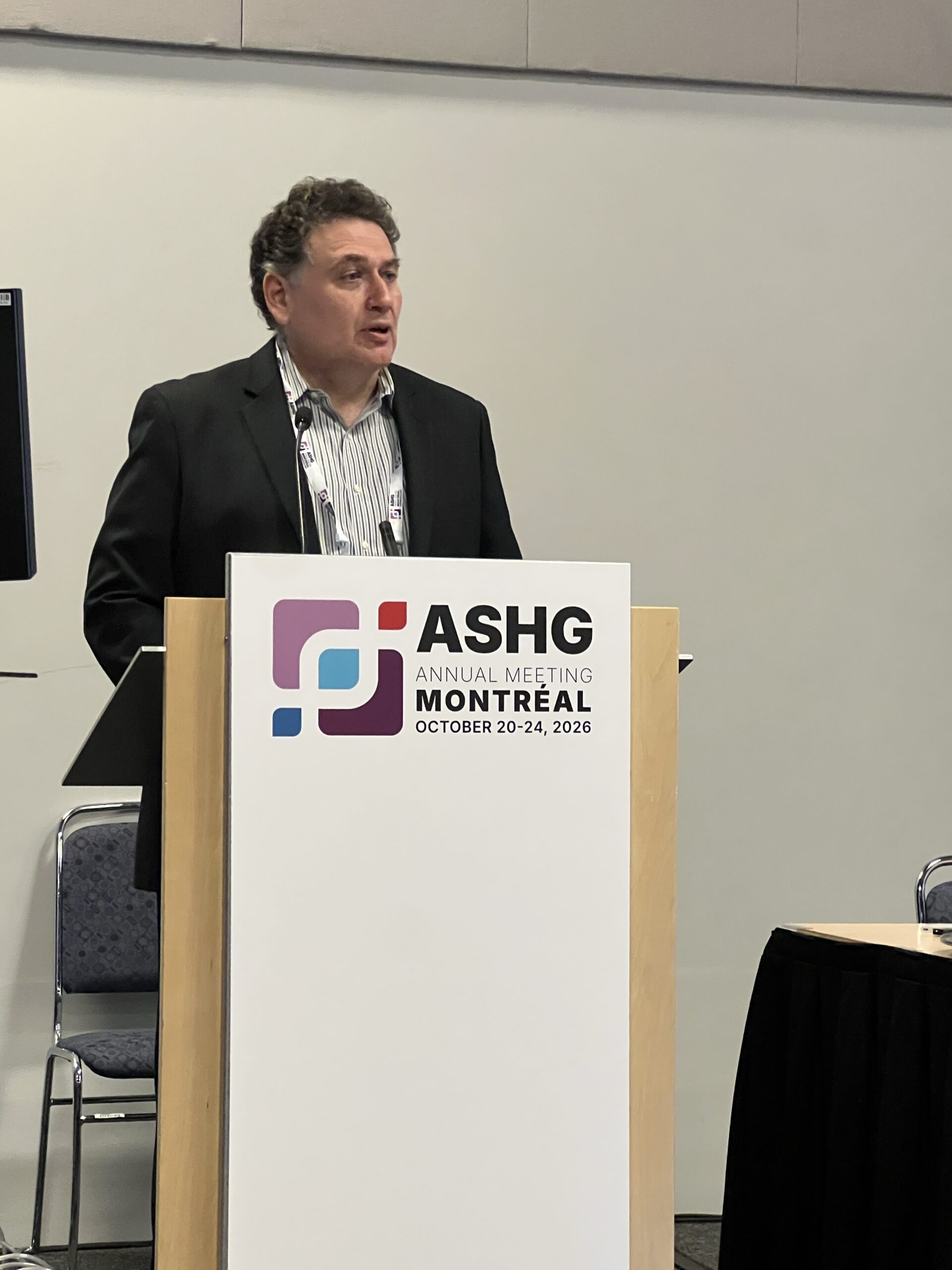
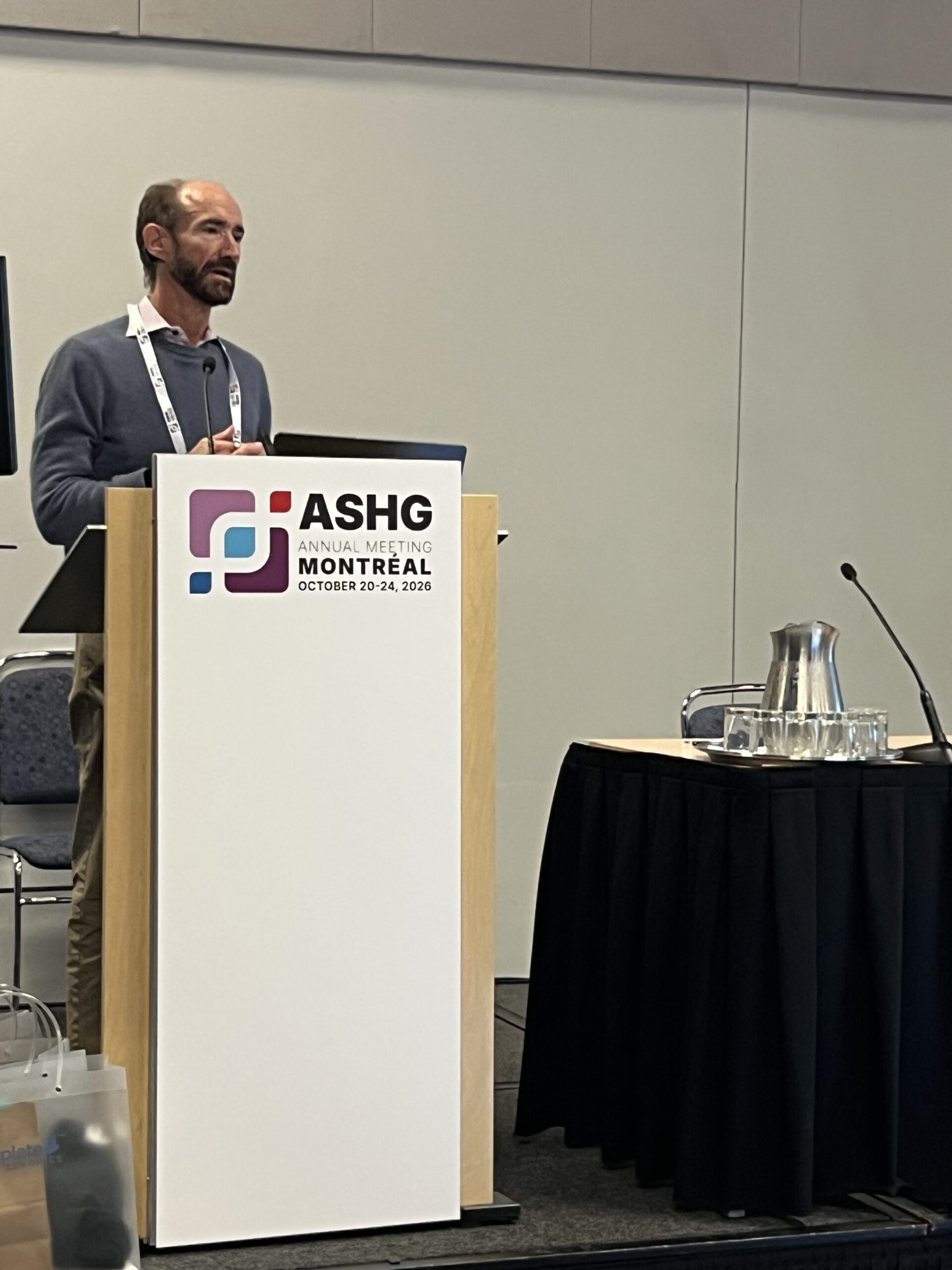
Genomic and Liquid Biopsy Strategies for Understanding and Detecting Cancer
Dr. Christopher Douville, Johns Hopkins School of Medicine
Dr. Douville highlighted how genome-wide sequencing and multi-analyte liquid biopsies are advancing cancer research and early detection, demonstrating the potential of integrated molecular biomarkers to improve detection accuracy and inform precision oncology. Key findings included:
- Pancreatic Cancer: Identified recurrent chromosome 1q gains implicating the γ-secretase complex as a potential therapeutic target.
- Brain Tumors: Cerebrospinal fluid analysis achieved 81% sensitivity for aggressive cancers with 100% specificity using multiple biomarkers.
- Multi-Cancer Early Detection: Combining genomic and protein biomarkers improved sensitivity from 40.5% to 51% across 11 cancer types while maintaining ~99% specificity.
Clinical Validation of DNBSEQ-T7+ for Comprehensive Whole-Genome Sequencing
Dr. Alexander Kaplun, Variantyx
Dr. Kaplun presented Variantyx’s clinical validation of DNBSEQ-T7+, demonstrating its accuracy, cost-effectiveness, and scalability for comprehensive whole-genome sequencing. Key findings included:
- Analytical Performance: Validation across 180 samples demonstrated 99.95% SNV sensitivity and greater than 99.999% specificity, with performance comparable to or better than NovaSeq X Plus across evaluated variant classes.
- Complex Variant Detection: Improved sequencing performance in poly(A) regions and achieved 92.6% sensitivity and 100% specificity for short tandem repeats, although certain GAA expansions remain challenging.
- Clinical Implementation: Enabled routine 40–45× genome coverage with 24-hour sequencing runs. Over 80% of Variantyx’s clinical samples are now sequenced on DNBSEQ-T7+, including 5,000 whole genomes since August 2026.
Longitudinal Multi-Omics to Enable Personalized Medicine With DNBSEQ
Dr. Michael Snyder, Stanford University
Dr. Snyder showcased how integrating longitudinal transcriptomics and high-throughput proteomics can reveal personalized molecular signatures, track health changes, and advance precision medicine. Key findings included:
- Longitudinal Transcriptomics: DNBSEQ full-length RNA sequencing across 42 time points revealed dynamic changes in gene expression and biological pathways associated with individual health trajectories.
- Allele-Specific Expression: Identified 266 dynamic allele-specific expression changes, revealing shifts in RNA isoforms and gene regulation over time.
- High-Throughput Proteomics: Olink-HT profiling of approximately 5,400 proteins revealed distinct signatures in rare pediatric diseases and neurological biomarkers, including MAPT and APP, in cerebrospinal fluid.
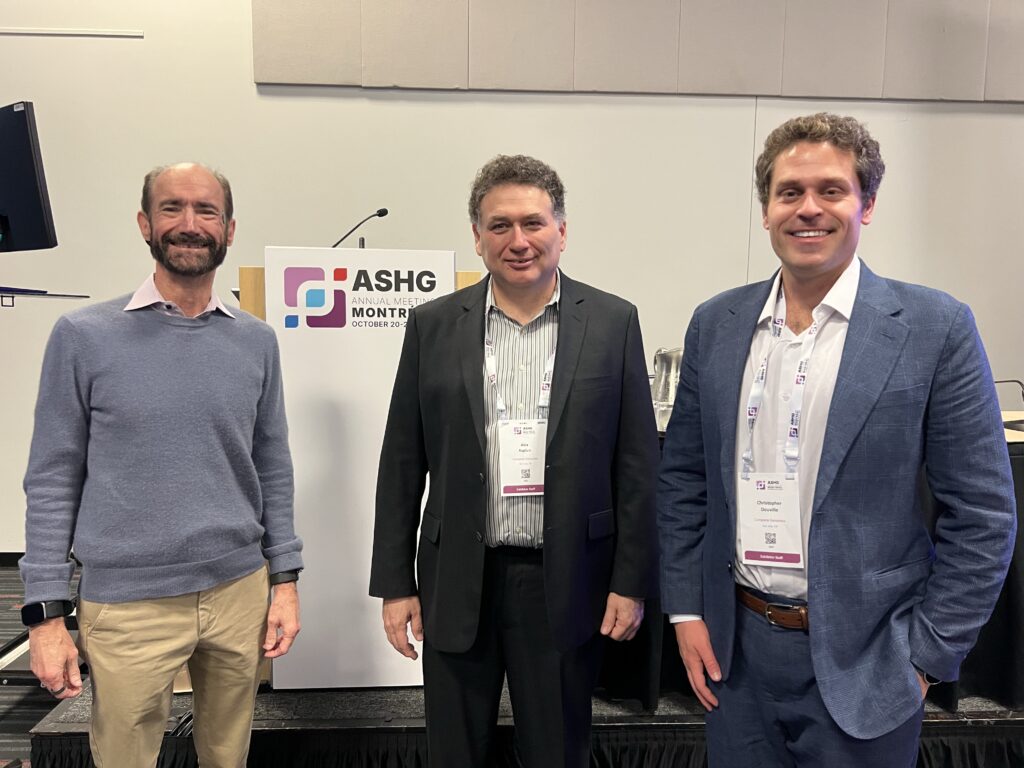
Together, these presentations highlighted how advances in high-accuracy sequencing, liquid biopsy technologies, and integrated multi-omics are accelerating progress in precision medicine. From improving cancer detection and comprehensive genetic testing to tracking individual health trajectories, these innovations are enabling deeper biological insights and more personalized approaches to healthcare.
Bringing Genomic Innovation and Real-World Applications Together
Throughout the conference, our Booth served as a space for scientific exchange, bringing together researchers, technology developers, and industry collaborators to discuss emerging applications of genomic sequencing and data analysis.
Our booth presentation series featured six speakers who highlighted developments in genomics, AI-powered bioinformatics, and single-cell transcriptomics.
Longer Reads, Greater Variant-Calling Accuracy
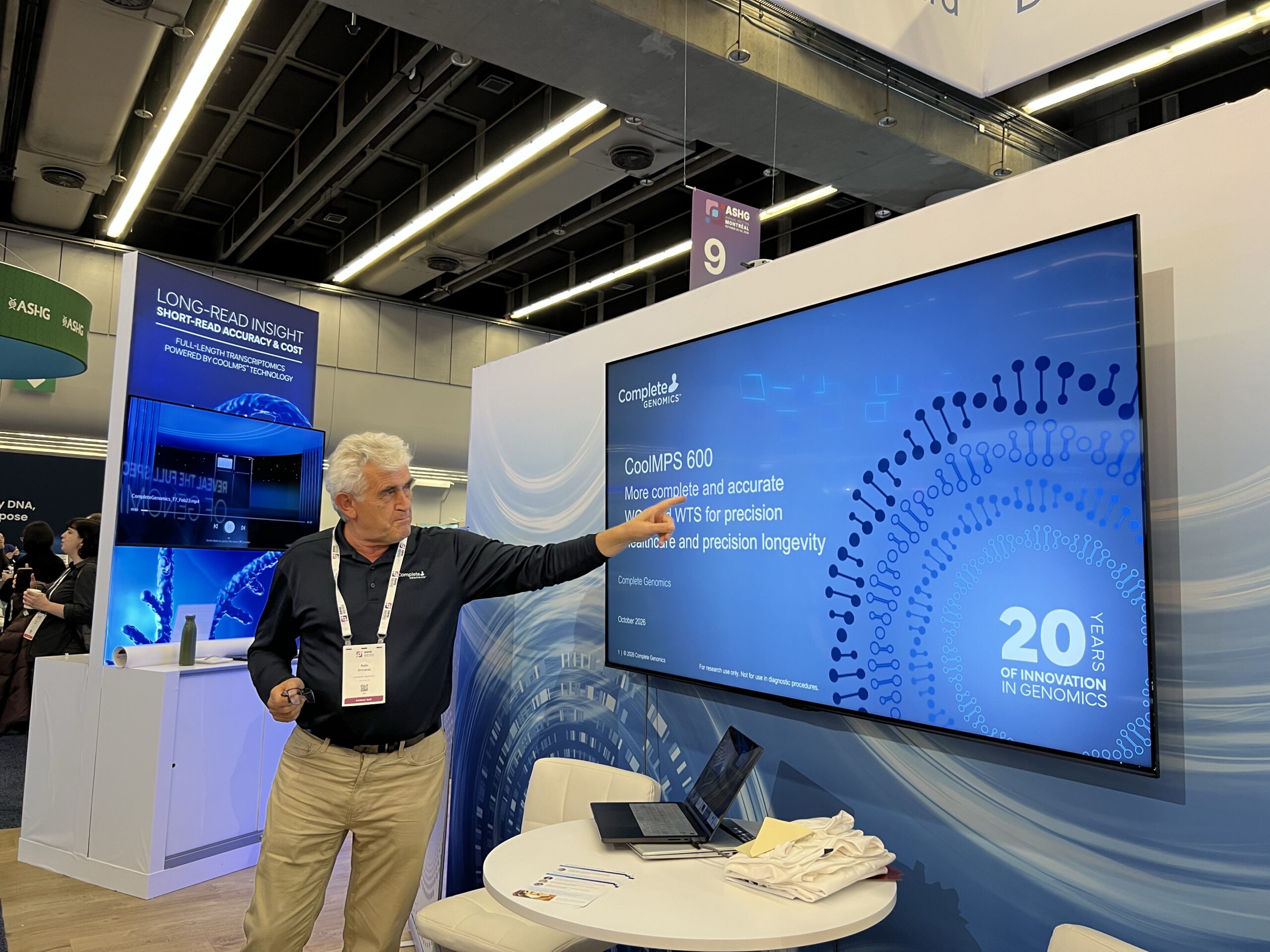
Complete Genomics Chief Scientific Officer Dr. Radoje Drmanac highlighted the expanding capabilities of CoolMPS 600 and how longer, accurate sequencing reads can enable more comprehensive genome and transcriptome analysis.
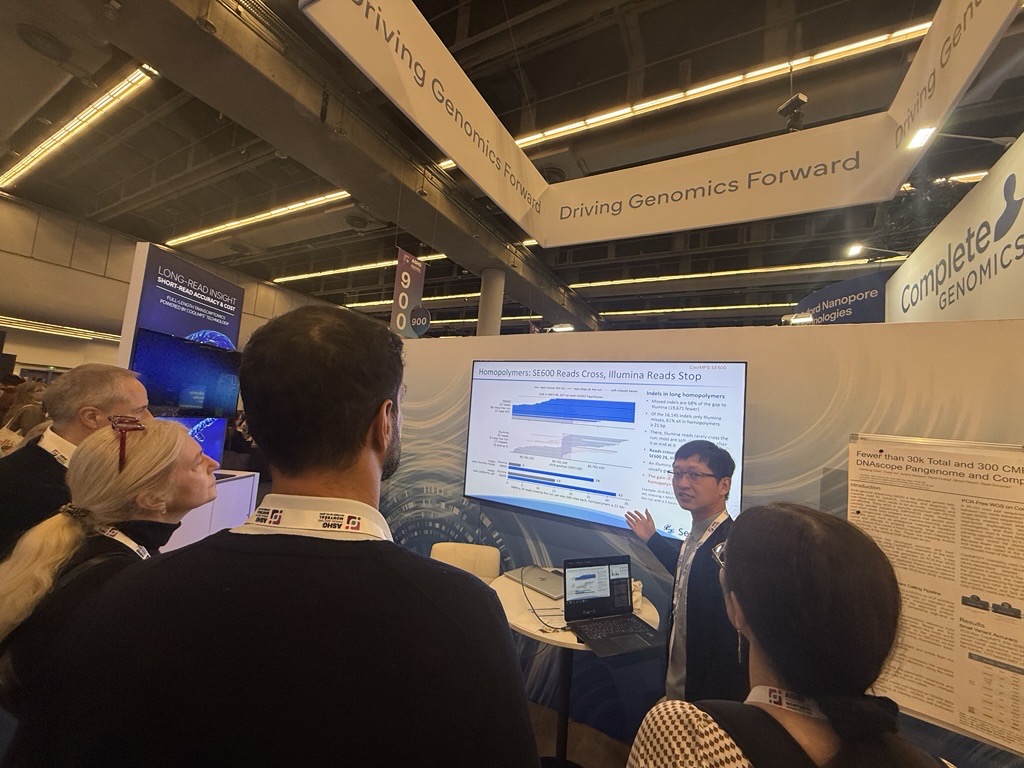
Haodong Chen from Sentieon shared results from the DNAscope Pangenome pipeline using CoolMPS SE600 sequencing data. The analysis achieved fewer than 30,000 total errors against the T2T v5 benchmark, demonstrating the potential of combining advanced sequencing technologies with pangenome-aware analysis.
Accelerating genomic analysis with AI
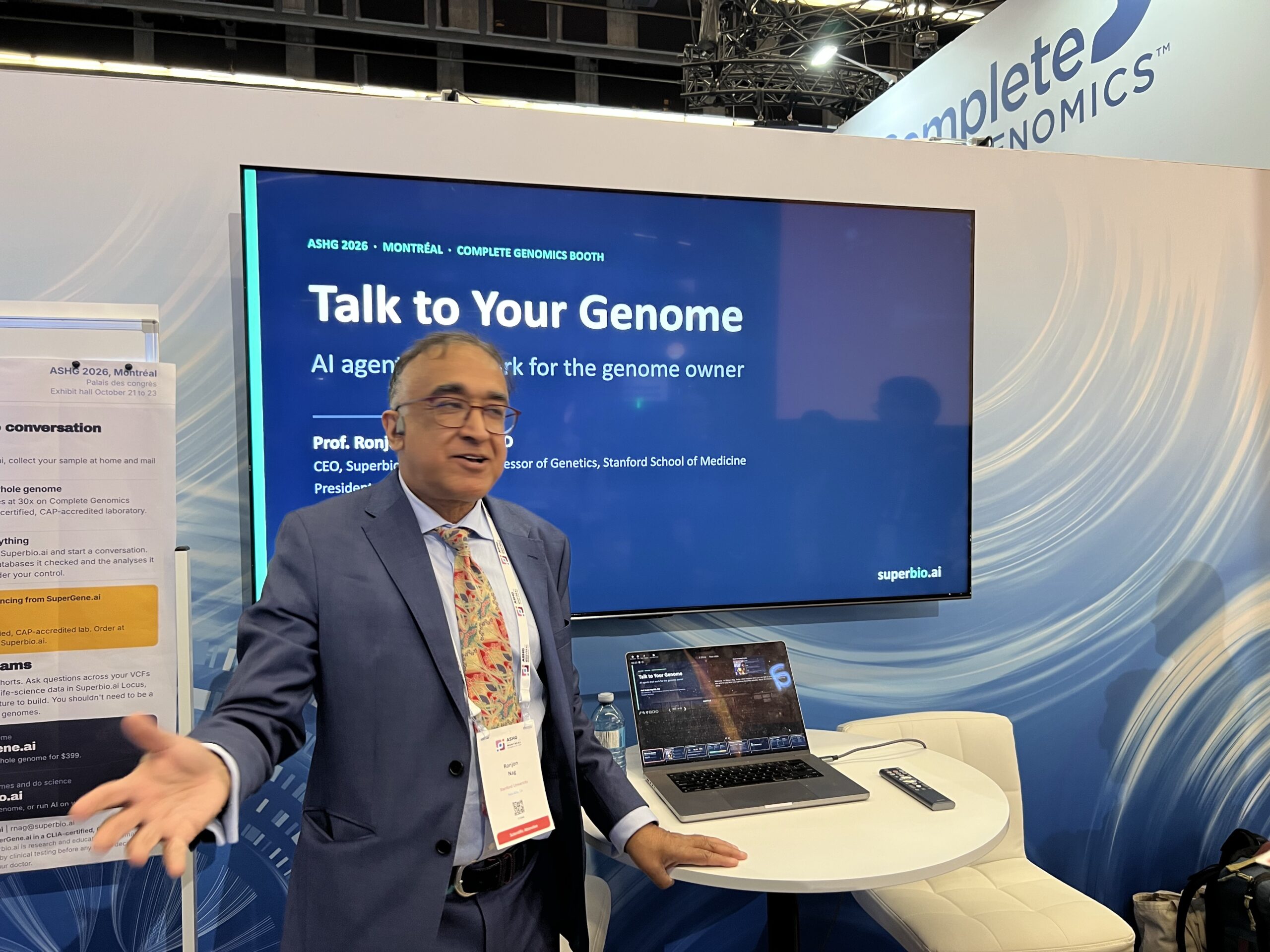
Ronjon Nag, Co-Founder of Superbio.ai, presented “Talk to Your Genome,” bringing an AI-focused perspective to how genomic information can become more accessible and actionable.
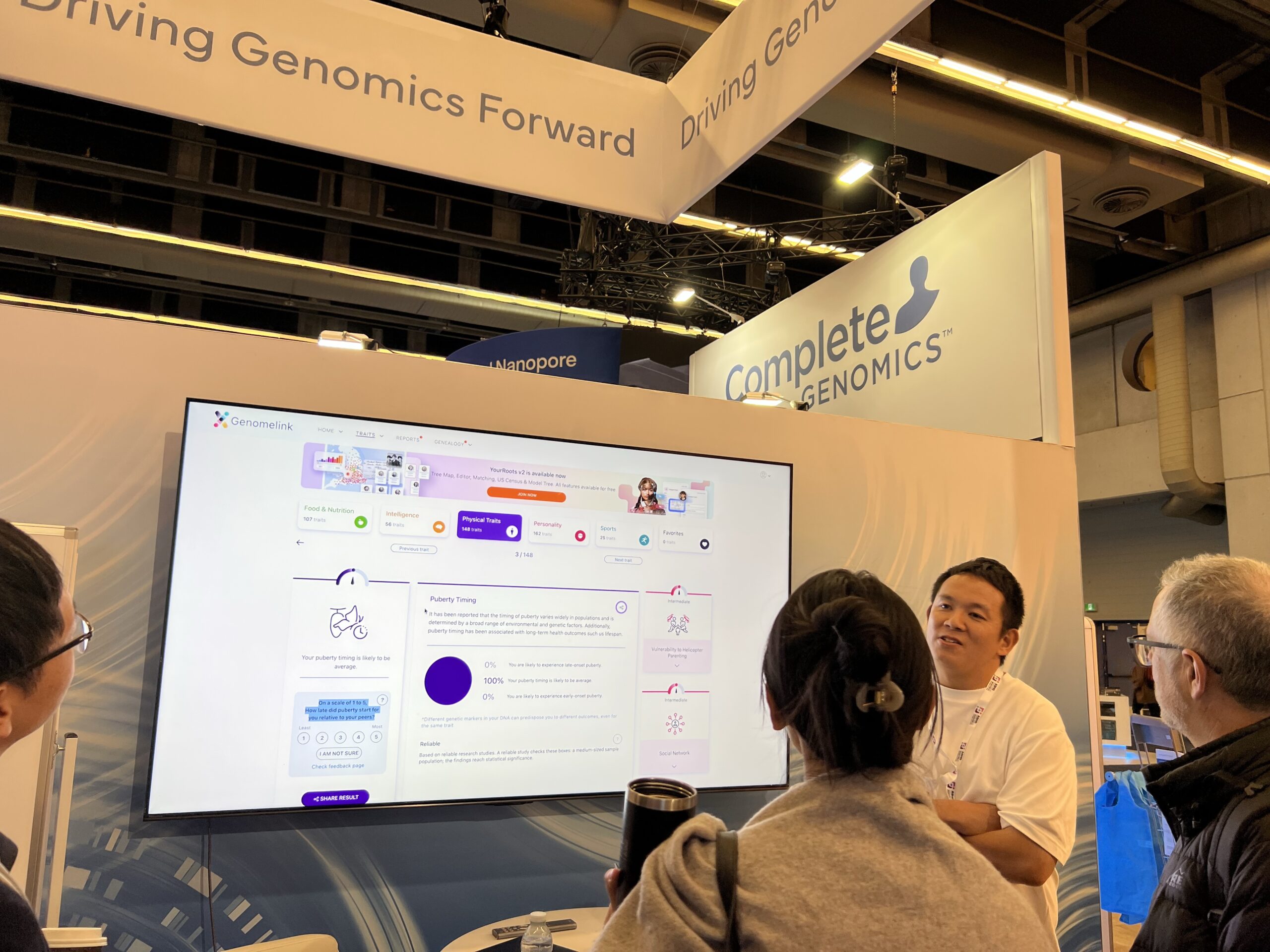
Tomohiro Takano, CEO of Genomelink, presented “The Human Genome – Ready to Read,” contributing another perspective on making genomic information more useful.
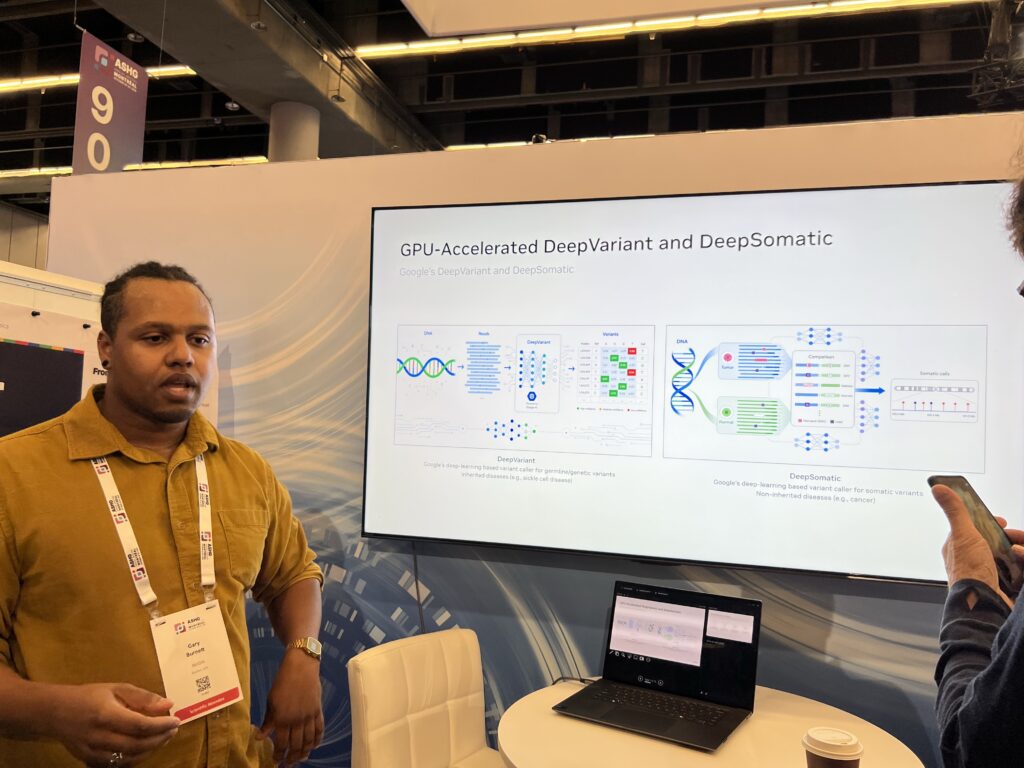
Gary Burnett from NVIDIA explored accelerating genomic analysis with NVIDIA Parabricks, highlighting computational approaches to efficiently process increasingly large sequencing datasets.
Expanding applications across transcriptomics
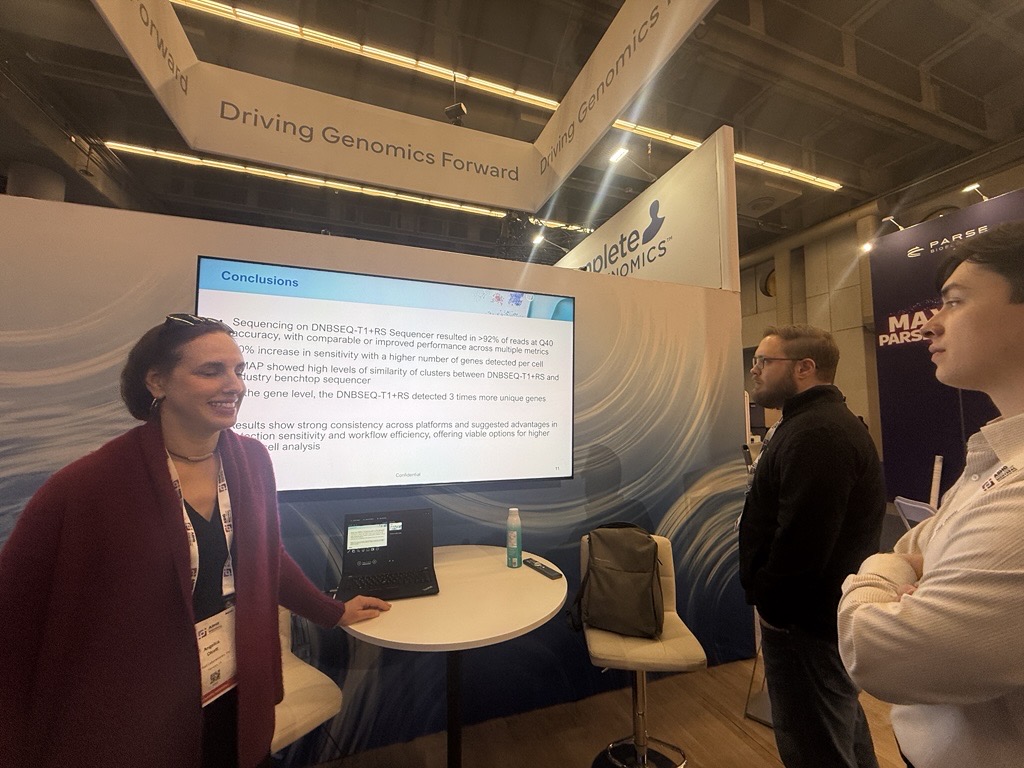
Angelica Olcott from Bio-Rad Laboratories discussed enhancing single-cell transcriptomics sensitivity using DNBSEQ-T1+ and the Bio-Rad ddSEQ 3′ RNA-Seq Kit, highlighting opportunities to optimize sequencing workflows for single-cell research.
Together, these presentations demonstrated how advances in sequencing technology, AI-powered analysis, and genomic interpretation are enabling more accurate, efficient, and comprehensive genomic research. From longer reads to deeper biological insights, these innovations are expanding the possibilities for scientific discovery.
Looking Ahead: Enabling More Complete Genomic Insights
As we wrap up ASHG 2026, one message stands out: the future of genomics depends not only on generating more data, but also on extracting more meaningful insights from every sequencing experiment.
The developments highlighted throughout the meeting, from longer sequencing reads and AI-driven variant calling to scalable whole-genome sequencing and longitudinal multi-omics analysis, reflect the evolving needs of the genomics community.
At Complete Genomics, we remain committed to advancing sequencing technologies and building collaborations that help researchers tackle complex scientific questions with greater confidence, flexibility, and efficiency.
See you at ASHG 2027 in Nashville!
– Complete Genomics Team


Subscribe for exclusive content and expert insights.