
A central challenge in neuroscience is linking molecular cell states to their anatomical location, local microenvironment, and role in neural circuit organization. While single-cell RNA-seq has greatly improved cell-type classification, tissue dissociation removes spatial context and limits the ability to study laminar structure, regional patterning, and cell-cell relationships in the intact brain.
In this webinar, Xiangmin Xu, Ph.D., will discuss recent advances in spatial transcriptomics and single-cell multi-omics, and how these approaches are being applied to study brain cell-type diversity, circuit organization, and disease-associated cellular states.
Agenda:
Advancing Spatial Transcriptomics: Technology Development and Applications in Health and Disease
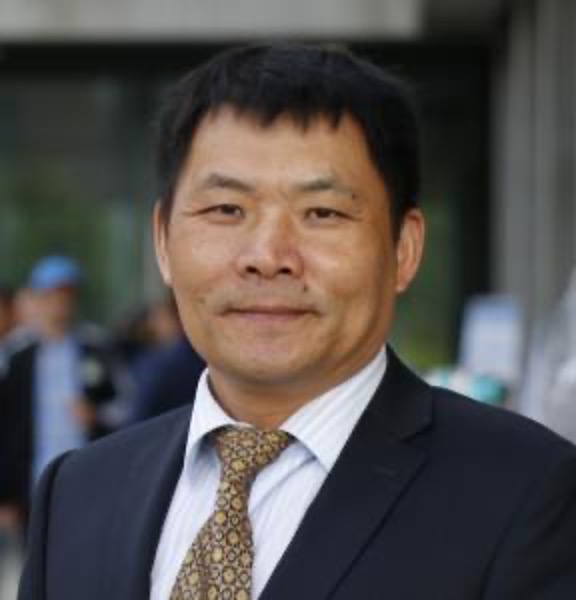
Xiangmin Xu, Ph.D.
Chancellor’s Professor and Director,
University of California, Irvine
Redefining What’s Possible in Spatial Transcriptomics With Stereo-seq

Yongfu Wang, Ph.D.
Senior Manager, Complete Genomics